
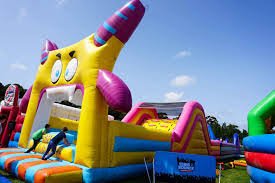
Jumping castles are a much-loved feature of community events, school fetes and backyard parties across Australia. These inflatable play structures – often called bouncy castles or inflatable castles – provide hours of energetic fun for kids and, increasingly, adults. From small birthday celebrations to large public festivals, jumping castles have become a staple of the Australian leisure and events industry.
This guide explores commercial-grade jumping castles in the Australian market, including what sets them apart from residential inflatables, the safety and regulatory requirements, current industry trends, and practical advice for buying and operating them safely.
What Are Commercial-Grade Jumping Castles?
Commercial-grade jumping castles are heavy-duty inflatable structures built for frequent use by businesses, schools and organisations. They are designed to handle high traffic, outdoor conditions and repeated setup and pack-down. This contrasts with small residential inflatables, which are intended for occasional backyard use.
Key distinctions include:
Materials and Durability
Commercial jumping castles use thick, reinforced PVC or vinyl – typically around 0.5–0.6 mm or more – with multiple layers and industrial stitching. The fabric is generally UV-stabilised and fire-retardant to withstand Australian conditions. Seams are double, triple or even quadruple stitched, and anchor points are reinforced for long-term durability.
By contrast, residential inflatables use thinner materials and lighter stitching that can’t cope with constant hire or commercial use.
Size and Capacity
Commercial units are larger, with bigger bounce areas and higher walls to accommodate more users and various age groups. A small residential bouncer may hold a few young children, while a similar-sized commercial castle may safely hold a much larger group due to its robust construction.
Blowers and Accessories
Commercial inflatables come with powerful, continuous-running blowers that meet Australian electrical safety standards. They also include a full set of anchoring equipment, ground tarps, repair kits and proper storage bags – all designed for professional use.
Safety Features
These castles incorporate safety mesh, padded entrances, high walls, well-designed anchor points and printed safety rules. They often have dedicated pockets for safety instructions or emergency plans. Residential inflatables typically have very basic features and are not intended for supervised public use.
In short, commercial jumping castles are engineered for reliability, durability and safety – essential for hire companies, schools, councils and anyone operating in a public setting.
Popular Types of Inflatables in Australia
Australia’s inflatable market has grown far beyond the classic four-wall bouncy castle. Popular types include:
Classic Jumping Castles
Traditional square or themed castles suited to younger children. Sizes range from compact 3–4 metre models to large 7+ metre structures.
Combo Castles (Jumping Castle + Slide)
These combine a bouncing area with slides, climbing features or obstacles. They’re extremely popular for parties as they offer multiple activities in one unit.
Inflatable Obstacle Courses
Long multi-section inflatables featuring tunnels, climbing walls and slides. They’re popular at school events and team-building activities and are designed for high throughput.
Interactive Games and Sports Inflatables
Includes jousting arenas, basketball shootouts, bungee runs, velcro walls and similar competitive games suited to older kids, teens and adults.
Water Inflatables
Inflatable water slides, slip-and-slides and splash castles are ideal for Australia’s warm climate. These require extra care due to wet surfaces and drainage considerations.
Toddler Play Inflatables
Low-height, enclosed inflatables designed specifically for toddlers with gentle slides and soft play features.
The wide variety of inflatables available reflects Australia’s strong demand for unique, engaging event attractions.
The Australian Market for Jumping Castles
The inflatable amusement sector continues to grow both globally and in Australia. Although Australia has a smaller population than some markets, enthusiasm for outdoor events, family entertainment and warm-weather activities drives strong demand for hire services and sales.
There is now a large number of party hire companies across major cities and regional towns. The customer base has broadened significantly, with inflatables appearing not only at children’s events but also at adult parties, corporate events, festivals, weddings and school programs.
Large-scale inflatable attractions have also become popular, with touring mega-parks showcasing enormous obstacle courses and themed bounce arenas. These events draw tens of thousands of visitors and highlight the continued innovation within the industry.
Safety Standards and Regulations in Australia
Safety is paramount when operating jumping castles. Australia has strict rules and standards to ensure inflatables are designed, installed and managed safely.
Key Standards
AS 3533.4.1 – Amusement Rides and Devices (Land-borne Inflatable Devices)
This is the primary standard for commercial inflatables. It covers structural strength, anchoring requirements, materials, safety signage, and design features such as barriers and entry/exit safety. Any commercial inflatable used in Australia should comply with this standard.
AS/NZS ISO 8124.1 – Toy Safety (2023 Update)
This standard includes mechanical and physical safety requirements for play equipment used by children. It ensures that inflatables are free from hazards such as sharp edges, small detachable parts, entrapment points and instability.
Together, these standards ensure both structural integrity and child-focused safety.
State and Territory Requirements
Each state and territory has its own regulatory body (e.g. SafeWork NSW, WorkSafe Victoria) which may require:
- Registration of large inflatables as “plant”
- Engineer certification for high-platform inflatables
- Annual inspections
- Event permits
- Proof of insurance
- Competent supervision and training
Events may also be restricted or shut down during extreme weather.
Insurance
Public liability insurance is essential for any operator. Insurers typically require equipment to meet all Australian standards and for operators to follow strict safety procedures.
Safe Setup and Operation Guidelines
Good equipment is only as safe as the way it’s used. Most incidents involving jumping castles stem from poor setup or inadequate supervision. Key guidelines include:
Secure Anchoring
Anchor every point using the correct stakes or weights. Never operate a castle with missing or poorly secured anchor points.
Monitor Wind and Weather
Wind is the greatest risk factor. Operators should monitor wind speeds and cease operation before gusts reach unsafe levels. Sudden gusts require immediate evacuation and deflation.
Active Supervision
A responsible adult must supervise at all times, controlling entry, managing behaviour and ensuring capacity limits are respected.
Age and Size Separation
Avoid mixing very young children with older kids or teens. Rotate sessions to reduce collision risk.
Clear Rules
Require removal of shoes, sharp objects, jewellery and food/drink. Discourage flips, rough play or climbing on walls.
Site Checks
Use level ground, remove hazards and ensure entry/exit areas are padded on hard surfaces. Protect electrical equipment from water.
Regular Inspections
Check seams, anchor points, zippers and blower attachments before and during use. If the inflatable loses pressure, evacuate immediately.
Emergency Plan
Have a clear procedure for power failure, wind gusts or injury. Supervisors should know how to shut off the blower quickly.
When properly operated, jumping castles are very safe and enjoyable. The risk increases only when shortcuts are taken.
Trends and Innovations in the Inflatable Industry
The inflatable industry continues to evolve with new technologies and design ideas.
Technology Integration
Some modern inflatables feature interactive games, LED lighting or sensor-activated activities. Emerging concepts include VR-enhanced bounce experiences.
Custom Themes and Branding
High-quality digital printing allows for custom artwork, corporate branding and personalised themes tailored to events.
Adult-Friendly Designs
Larger, robust inflatables aimed at adults – including “wedding castles” and inflatable pubs – have become increasingly popular.
Enhanced Safety Features
Manufacturers are investing in improved anchoring systems, wind-resistant designs and dual-blower setups for redundancy.
Eco-Friendly Developments
There is growing interest in recyclable materials, energy-efficient blowers and sustainable manufacturing processes.
Mega Inflatable Events
Large travelling inflatable parks featuring dozens of massive structures continue to attract strong crowds in Australia.
Indoor Inflatable Centres
Permanent indoor inflatable venues allow year-round operation without concerns about weather.
Buying a Commercial Jumping Castle: Key Considerations
If you’re purchasing a commercial-grade jumping castle in Australia, consider the following:
1. Compliance Documentation
Ensure the unit meets AS 3533.4.1 and relevant toy safety standards. Request certificates, technical specifications and design documents.
2. Material Quality
Look for thick commercial-grade PVC, reinforced stitching, strong anchor points, and UV/fire resistance.
3. Size and Design
Match the castle to your available space and audience. Consider whether you need a simple bouncer, a combo unit or a themed design.
4. Supplier Reputation
Choose reputable Australian suppliers or trusted international manufacturers. Check reviews, warranty terms and availability of spare parts.
5. Price and Value
Expect to pay anywhere from a few thousand dollars to over $10,000 depending on size and features. Be wary of prices that seem unrealistically low.
6. Intended Use
Frequent hire use requires more robust equipment, quick-deflation features and easy transport options.
7. Insurance and Training
Update your liability insurance and ensure at least one person is trained in safe setup and operation.
A quality, compliant inflatable is a long-term investment that pays off in safety, durability and customer satisfaction.
Aussie Tradition
Jumping castles are an iconic part of the Australian events landscape, bringing joy to families and communities across the country. Understanding the differences between commercial-grade bounce houses and residential inflatable bouncers, keeping up with safety standards, and following proper operational procedures ensures that fun is delivered safely and reliably.
With innovations in technology, design and safety, the industry continues to evolve while maintaining a strong focus on protecting users. Whether you’re running a hire business, managing community events or considering purchasing your own inflatable, investing in quality and adhering to best practice is essential.
With the right equipment, knowledge and care, Australia can continue to enjoy safe, exciting bouncing experiences for years to come.
