
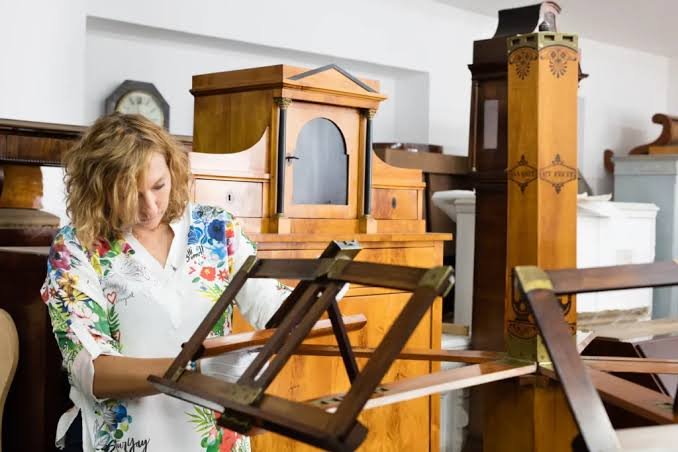
For collectors and homeowners, moving these objects isn’t simply a matter of putting everything into boxes.
The physical movement of art, antiques and valuable furniture requires planning because every object has different characteristics and vulnerabilities.
Value Isn’t Always Financial
The first mistake people can make is thinking only about monetary value.
An inexpensive object can be irreplaceable.
A family photograph, handmade piece or inherited piece of furniture may have little resale value but enormous personal significance.
When preparing for a move, identify anything that is:
- fragile
- valuable
- sentimental
- irreplaceable
- unusually large
- difficult to handle
These items should receive additional consideration.
Create an Inventory
For valuable collections, create a simple inventory before moving.
Record:
- item description
- dimensions
- approximate value if relevant
- condition
- photographs
- special handling requirements
Photography is particularly useful.
Take clear images of important pieces before they are packed.
For larger collections, numbering individual items can also make checking everything at the destination much easier.
Artwork Requires Special Consideration
Paintings, prints, photographs and other artworks can have different handling requirements depending on their materials and construction.
Consider:
- frames
- glass
- canvas
- paper
- surface finishes
- mounting systems
Avoid placing heavy objects on top of artwork.
Framed pieces should be positioned so they cannot shift or be crushed during transport.
Particularly valuable works may require specialist packing or transport advice beyond a normal household move.
Antique Furniture Is Different From Modern Furniture
Antique furniture may have survived for decades or centuries, but that doesn’t mean it is indestructible.
Older pieces can contain:
- delicate joints
- veneers
- fragile finishes
- aged timber
- decorative elements
- glass
- metal components
They may also be more susceptible to damage from rough handling.
Before moving an antique, inspect it carefully and photograph its condition. If removable components exist, determine whether they should be secured separately. Measure Before You Move
A valuable piece can still become a logistical problem if it cannot physically pass through the property.
Measure:
- doorways
- hallways
- staircases
- lifts
- gates
- tight corners
Then compare those measurements with the dimensions of the object.
For exceptionally large pieces, consider the route rather than simply the destination. The question isn’t only:
“Will it fit in the room?”
It is:
“Can it safely get there?”
Protect the Property Too
Moving valuable objects isn’t only about protecting the object.
The building also needs protection.
Large furniture can damage:
- timber floors
- tiles
- walls
- door frames
- staircases
- painted surfaces
Professional moving teams can use protective materials and appropriate equipment to reduce the risk of damage during handling.
Artists Have Unique Moving Requirements
An artist moving studios may have a very different collection from a homeowner.
A studio might contain:
- completed artworks
- unfinished pieces
- canvases
- sculptures
- easels
- tools
- materials
- furniture
- display equipment
These items should be separated and labelled before transport.
Finished works shouldn’t disappear into boxes containing general studio equipment.
An organised studio move can also make it easier to resume creative work quickly at the new location.
Collectors Should Think About Documentation
For larger collections, documentation provides an additional layer of confidence. A basic record could look like:
Item: Framed artwork
Dimensions: 1,200 × 900 mm
Condition: Good
Frame: Timber
Special handling: Keep upright
This creates a shared reference between the owner and transport team.
What About Climate and Environmental Conditions?
For most household possessions, ordinary transport conditions aren’t a major concern.
Certain artworks, materials and antiques can be more sensitive to changes in temperature and humidity, however.
If you’re moving a particularly valuable or delicate collection, consult an appropriate conservator or specialist before transport.
Professional transport can then be planned around the specific requirements of the objects. Choosing the Right Moving Partner
Price is obviously an important consideration when moving house.
But when the load includes valuable furniture, artwork or antiques, handling capability should also be part of the decision.
Ask potential providers about:
- protective equipment
- loading methods
- vehicle suitability
- access planning
- furniture handling
- fragile items
- interstate transport
- insurance arrangements
For homeowners with significant furniture collections, working with specialist furniture Removalists can provide greater confidence than treating valuable pieces as ordinary household boxes.
Frequently Asked Questions
How should I prepare artwork for a move?
Identify fragile pieces early, photograph their condition and discuss appropriate protection with the moving provider. Artwork should not be placed beneath heavy objects.
Should antique furniture be dismantled?
Not always. Some antique furniture may be safer when moved intact, while other pieces may have removable components. The construction and condition of the individual piece should be considered.
How do I move a large painting safely?
Check its dimensions, protect the frame and surface appropriately, and plan the access route before moving day.
Should I photograph valuable furniture before moving?
Yes. Photographs provide a useful record of condition before transport and can help identify individual items.
Do valuable artworks require specialist transport?
Some do. Particularly valuable, fragile or environmentally sensitive works may require specialist packing or transport advice.
Moving Objects That Tell Stories
Art and furniture are more than possessions.
They can represent family history, creativity, travel, achievement and memory. Moving them safely therefore requires more than simply finding enough room in a truck.
It requires understanding what is being moved, planning the route, protecting the object and treating it with the care it deserves.
For collectors and homeowners alike, careful preparation allows the stories contained within these objects to continue at their next address.
